Zygomatic Implant in Korea | Costs, Clinics & What to Expect

“`html

Korea is one of the top destinations in the world for advanced dental and facial implant procedures. Patients travel from across Asia, the US, and Europe to access high-quality care at competitive prices. If you need a zygomatic implant, Seoul offers world-class options that are hard to find elsewhere.

What is a Zygomatic Implant?

A zygomatic implant is a long dental implant anchored into the cheekbone (zygoma) instead of the upper jawbone. It is used when a patient does not have enough bone in the upper jaw to support standard implants. This is a specialized surgical solution for people with severe bone loss in the upper jaw.

  • No bone grafting needed: Because the implant uses the cheekbone, patients often skip the long bone graft process.
  • Faster treatment timeline: Teeth can often be attached much sooner than with traditional implant methods.
  • High success rate: When placed by an experienced surgeon, zygomatic implants have strong long-term outcomes.

Types of Zygomatic Implants Offered in Korea

Korean clinics offer several approaches depending on your specific anatomy and needs:

  • Classic Zygomatic Implant: The original technique where the implant passes through the sinus cavity and anchors in the cheekbone. Suitable for most patients with severe upper jaw bone loss.
  • Extrasinus (ZAGA) Technique: A more modern approach where the implant runs along the outside of the sinus. This reduces sinus complications and is preferred for many patients today.
  • Quad Zygoma (Four Zygomatic Implants): When both sides of the jaw require support, four zygomatic implants are placed. This gives full upper arch support without any jawbone involvement.
  • Hybrid Approach: Some patients receive a mix of zygomatic implants on one side and standard implants on the other, depending on available bone structure.

Why Choose Korea for a Zygomatic Implant?

  • Specialist surgeons: Korea has oral and maxillofacial surgeons with deep experience in complex implant cases, including zygomatic procedures.
  • Advanced technology: Korean clinics use 3D CT imaging, computer-guided surgery, and digital planning tools for precise implant placement.
  • Affordable pricing: Costs are significantly lower than in the US, UK, or Australia, even when you factor in travel expenses.
  • Fast appointments: Waiting times are much shorter than in many Western countries. Many patients get consultations within days.
  • All-inclusive care: Many clinics offer translation support, airport transfers, and treatment coordination for international patients.

Cost of a Zygomatic Implant in Korea

Prices vary based on the number of implants, technique used, and whether prosthetics (teeth) are included. For those exploring other cosmetic dentistry options, our dental seoul guide covers additional smile enhancement procedures available in the region. If you are looking for a premier english speaking dermatology korea option or other specialized clinics, many facilities offer comprehensive cosmetic services. Below is a general pricing guide for zygomatic procedures:

  • Single Zygomatic Implant (implant only): ₩3,500,000 – ₩5,500,000 (approx. $2,600 – $4,100 USD)
  • Two Zygomatic Implants + Fixed Prosthesis: ₩9,000,000 – ₩14,000,000 (approx. $6,700 – $10,400 USD)
  • Quad Zygoma (4 implants) + Full Arch Teeth: ₩18,000,000 – ₩28,000,000 (approx. $13,400 – $20,800 USD)
  • Hybrid Full Arch Case: ₩12,000,000 – ₩20,000,000 (approx. $8,900 – $14,900 USD)

These prices are estimates. Your exact quote will depend on your CT scan results and treatment plan. For comprehensive information about implant options and treatments available in Seoul, read more here to explore the full range of services offered by Korean dental specialists.

What to Expect During and After

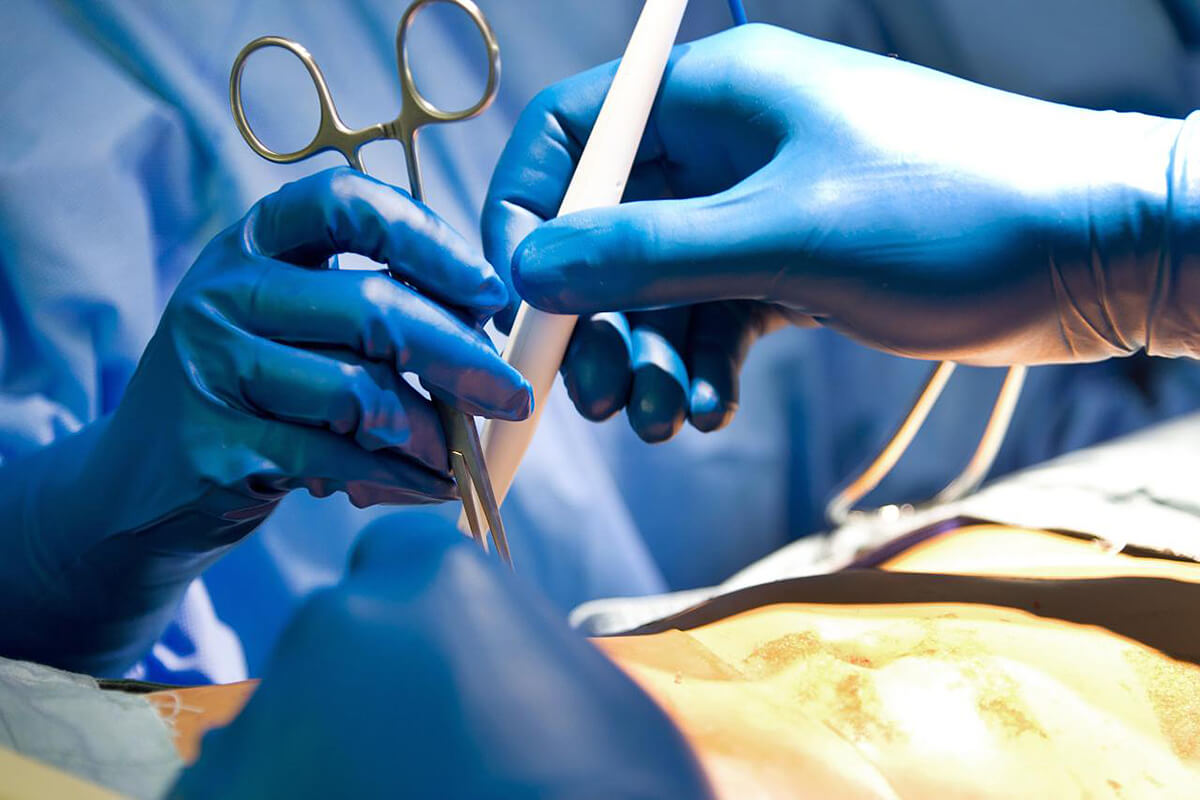
Zygomatic implant surgery is done under general anesthesia or deep sedation and usually takes two to four hours. The surgeon makes small incisions in the gum and carefully places the long implants through or alongside the sinus into the cheekbone. In many cases, temporary teeth are attached the same day or within a few days. For patients comparing this with other advanced implant solutions, a korean implant specialist can explain how zygomatic placement differs from traditional techniques based on your bone structure.

After surgery, expect swelling and mild discomfort for one to two weeks. Most patients are prescribed antibiotics and pain relief. You will need to eat soft foods during the initial healing period. Most international patients stay in Seoul for seven to fourteen days before flying home.

Follow-up and Results

Your surgeon will schedule at least one follow-up visit before you leave Korea. After you return home, you will need check-ups with a local dentist who can monitor healing. Final permanent teeth are typically placed three to six months after surgery once the implants have fully integrated. When selecting a clinic, check recommended korean dermatology clinic reviews and similar resources to verify credentials and patient satisfaction. Many patients also choose complementary cosmetic treatments after their implants settle; services like those offered at dentalwhiteningseoul.com can enhance your new smile. With proper care, zygomatic implants can last twenty years or more.

Conclusion

A zygomatic implant in Korea gives patients with severe bone loss a reliable, long-lasting solution backed by expert surgeons and modern technology. Korea combines clinical excellence with affordable pricing, making it one of the smartest choices for this complex procedure.

Ready to find out if you are a candidate? Contact us on WhatsApp today for a free consultation. Share your CT scan or dental records and get a personalized treatment plan and price quote from a verified Korean specialist. Our team is here to guide you every step of the way.

“`