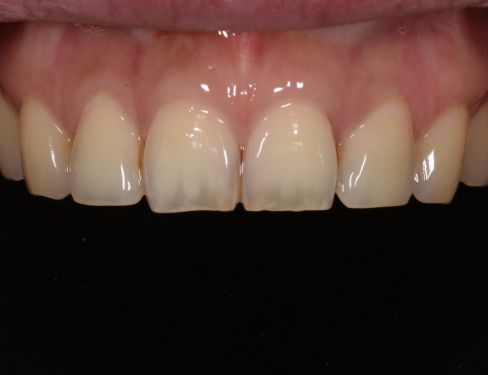
Korea is one of the most popular destinations in Asia for affordable, high-quality dental care. Thousands of international patients travel to Seoul every year to get cavity treatment at a fraction of the cost they would pay at home. Whether you have a small cavity or need more extensive work, Korean dental clinics offer modern equipment, skilled dentists, and clear pricing.
What is Cavity Treatment?
A cavity is a small hole in your tooth caused by tooth decay. Bacteria in your mouth produce acid that slowly breaks down the hard outer layer of your tooth called enamel. If left untreated, a cavity can grow deeper, cause pain, and even lead to tooth loss. Cavity treatment removes the decayed part of the tooth and fills it in to restore its shape and function.
- Stops pain and sensitivity caused by exposed or damaged tooth tissue
- Prevents the decay from spreading to neighboring teeth or deeper into the tooth root
- Restores the natural look of your tooth with tooth-colored filling materials
Types of Cavity Treatment Offered in Korea
Korean dental clinics offer several types of cavity treatments depending on how severe the decay is:
- Composite Resin Filling: The most common option. A tooth-colored plastic material is bonded directly to the tooth. It looks natural and is great for small to medium cavities. For patients seeking even more aesthetic options, dental seoul clinics also offer advanced bonding techniques.
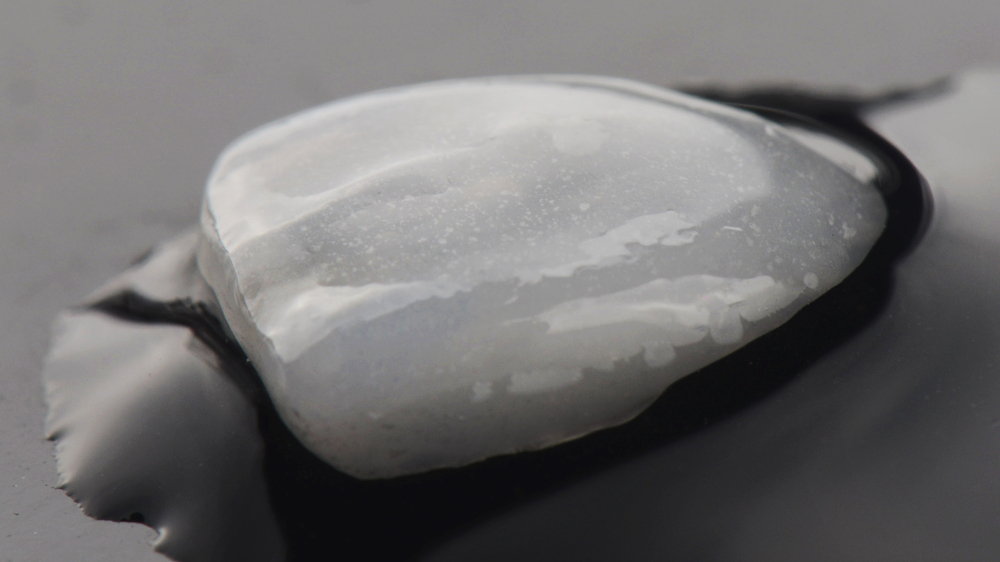
- Ceramic (Inlay/Onlay): A custom-made porcelain piece that fits inside or over the tooth. This is used for larger cavities and gives a very natural appearance.
- Amalgam Filling: A silver-colored metal filling. It is very durable and used mostly for back teeth. Less common today but still available.
- Root Canal Treatment: If the cavity has reached the inner nerve of the tooth, a root canal is needed to clean out the infection before placing a crown over the tooth.
Why Choose Korea for Cavity Treatment?
- Low cost without low quality: Prices in Korea are 50–70% lower than in the US, UK, or Australia, but the standard of care is very high.
- Advanced technology: Korean dental clinics use digital X-rays, 3D scanning, and CAD/CAM same-day ceramic restorations.
- Highly trained dentists: Korean dentists go through rigorous education and many have trained or worked abroad, with best dermatology korea specialists also setting high professional standards across the medical field.
- English-friendly clinics: Many dental offices in Seoul have English-speaking staff or interpreters available for foreign patients.
- Fast appointments: You can often get seen the same day or within one to two days, with no long waiting lists.
Cost of Cavity Treatment in Korea
Here is a general price guide for cavity treatment in Korea. Prices can vary depending on the clinic location, dentist experience, and severity of the cavity. To compare costs and clinic options in detail, you can see details about specific providers in Seoul.
- Basic composite resin filling: ₩50,000 – ₩150,000 (approx. $38 – $115 USD)
- Ceramic inlay or onlay: ₩200,000 – ₩500,000 (approx. $153 – $383 USD)
- Root canal treatment (per tooth): ₩300,000 – ₩800,000 (approx. $230 – $613 USD)
- Dental crown (after root canal): ₩300,000 – ₩700,000 (approx. $230 – $536 USD)
These prices are significantly lower than what you would pay in most Western countries. Always ask for a full written quote before treatment begins.
What to Expect During and After
A basic cavity filling takes about 30 to 60 minutes. The dentist will numb the area with a local anesthetic so you feel no pain. They will then remove the decayed tissue and clean the tooth before placing the filling. After the procedure, you may feel some mild sensitivity to hot or cold for a few days. Avoid hard or sticky foods for 24 hours. More complex treatments like root canals may require two or more visits. For comprehensive information about post-treatment care and alternatives, read more here about advanced restorative options.
Follow-up and Results
Most fillings last between 5 and 15 years depending on the material used and how well you care for your teeth. Ceramic inlays tend to last the longest. You should brush twice daily, floss regularly, and visit a dentist for check-ups every six months. If you are visiting Korea as a tourist, your home dentist can handle any future follow-up care. Korean clinics will provide you with full treatment records and X-rays to take home. Some patients also explore complementary procedures like best dental implant korea options if they have missing teeth alongside cavities.
Conclusion
Cavity treatment in Korea is an excellent choice if you want quality dental care at an affordable price. Seoul’s dental clinics combine modern technology with skilled professionals and patient-friendly service. Whether you need a simple filling or a more complex procedure, you can trust that Korea delivers strong value and reliable results.
Ready to book your cavity treatment in Korea? Contact us on WhatsApp today for a free consultation. We will help you find the right clinic, understand your treatment options, and plan your visit to Seoul with confidence.